
In industrial settings where material handling and high-velocity flow are constant, the integrity of machinery is under relentless attack. An abrasion resistant coating serves as a critical defensive barrier, significantly extending the service life of vital assets. These high-performance coatings are specifically formulated to withstand the mechanical wear caused by friction, impact, and erosion, protecting substrates ranging from carbon steel to concrete. By applying a robust layer of defense, industries can mitigate the costly effects of material degradation without needing to replace entire structural components.
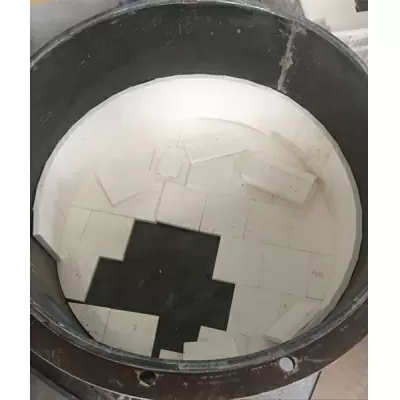
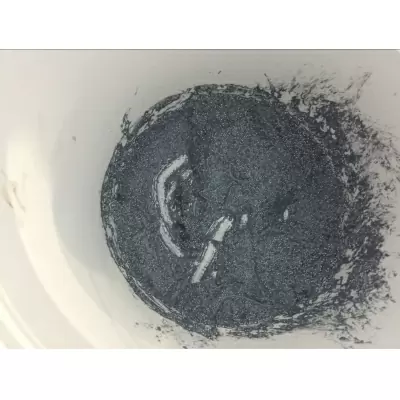
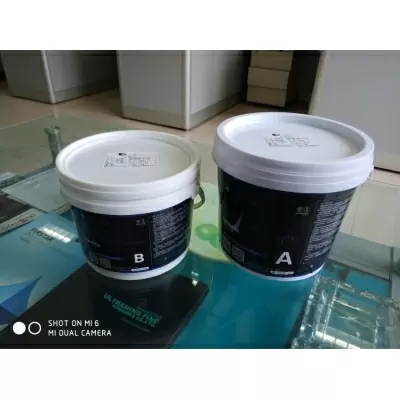
Modern abrasion resistant coatings utilize advanced polymer technologies, such as reinforced epoxies and flexible polyurethanes, often filled with ceramic or metallic particles to enhance hardness. The selection of the coating depends on the specific environment; for instance, slurry pipelines require a coating that can handle high-velocity particle impact, while mining chutes need resilience against heavy impact loading. A key advantage of these coatings is their seamless application, which eliminates joints and seams where wear typically initiates, providing uniform protection across complex geometries.
The implementation of an abrasion resistant coating is not merely a maintenance task but a strategic investment in operational efficiency. By reducing the frequency of repairs and replacements, facilities experience less downtime and lower maintenance costs. Furthermore, these coatings often provide a dual benefit by offering chemical resistance alongside physical toughness, making them suitable for harsh chemical processing environments. Choosing the right formulation ensures that assets operate at peak efficiency, maintaining structural integrity even under the most extreme conditions.
FAQ
Q1: What is the best coating for abrasion resistance? A: The best choice often depends on the specific application. Polyurethane coatings offer excellent flexibility and impact resistance, while ceramic-filled epoxy coatings provide superior hardness for high-friction environments.
Q2: How thick should an abrasion resistant coating be applied? A: Thickness varies by product and substrate, but these coatings are typically applied in thicker mil builds than standard paints, often ranging from 10 to 100 mils or more, to ensure adequate protection.
Q3: Can I apply an abrasion resistant coating over existing rust? A: Proper surface preparation is critical. Generally, loose rust and mill scale must be removed via blasting to ensure the coating bonds correctly to the substrate and performs as expected.