
Alumina hydrate ceramics refer to a category of high-purity inorganic compounds, primarily consisting of aluminum hydroxide, used as the foundational raw material in the production of advanced ceramic goods. Unlike standard abrasive grains, alumina hydrate serves as a precursor to high-performance sintered alumina. Through a controlled calcination process, these hydrates are transformed into reactive alumina powders, which are the building blocks for creating dense, high-strength technical ceramics. This transformation ensures a uniform microstructure, which is critical for achieving superior mechanical properties in the final product.
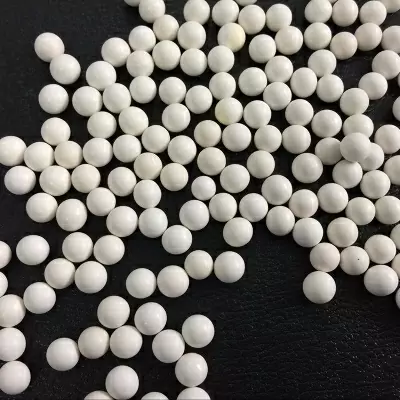
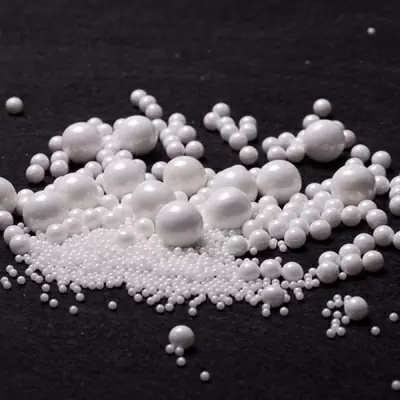
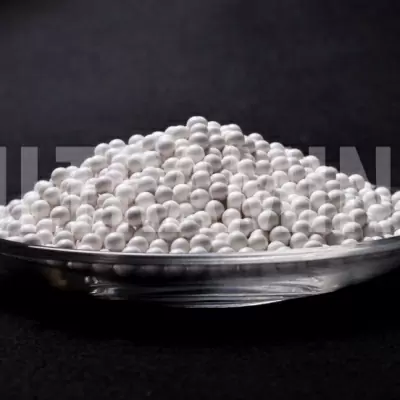
The primary advantage of utilizing alumina hydrate ceramics lies in their exceptional purity and chemical consistency. These attributes allow manufacturers to produce refractories and electronic substrates with minimal impurities, ensuring optimal performance in high-temperature and high-voltage environments. Because the hydrate form can be easily shaped and formed before firing, it offers excellent versatility for creating complex ceramic components, from insulators to wear-resistant linings. The resulting ceramics exhibit outstanding resistance to thermal shock and chemical attack, making them indispensable in the metallurgical, electronics, and chemical processing industries.
By leveraging the unique properties of alumina hydrate ceramics, industries can produce lightweight yet durable components capable of withstanding extreme operational stress. Whether used as a raw feedstock for spark plug insulators or as a key ingredient in kiln furniture, this material provides the necessary thermal stability and electrical insulation required for modern engineering challenges. Its ability to form dense, pore-free bodies after firing makes it a cornerstone material for next-generation ceramic innovation.
FAQ
Q1: What is alumina hydrate used for in ceramics? A: It is primarily used as a high-purity raw material and precursor for manufacturing sintered alumina products, such as refractories, electronic insulators, and technical ceramic components.
Q2: How is alumina hydrate converted for industrial use? A: It undergoes a calcination process at high temperatures to drive off water molecules, converting it into reactive calcined alumina powder suitable for pressing and sintering.
Q3: What are the benefits of high-purity alumina hydrate? A: High purity ensures low contamination, leading to ceramics with superior thermal conductivity, better electrical insulation properties, and enhanced mechanical strength.